How these kitchen notes are organised
This hub is a contents page with writing, not a grid of pictures. Nine original notes sit under it: a shared plate map, bones and muscles, blood, nerves and vitamins, heart and cholesterol, lungs, liver, kidneys, and skin. Open one note, read the kitchen foods, the home combinations, and the clinic warning. Then come back here if you want another organ.
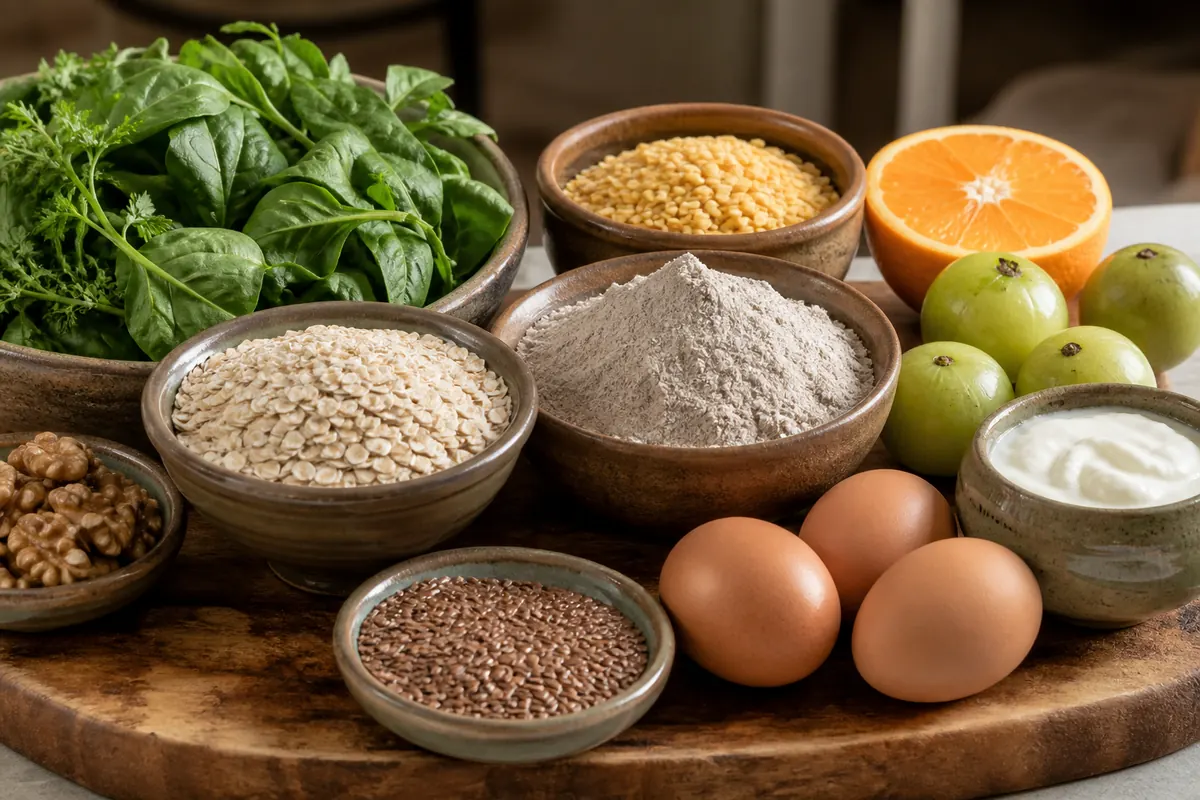
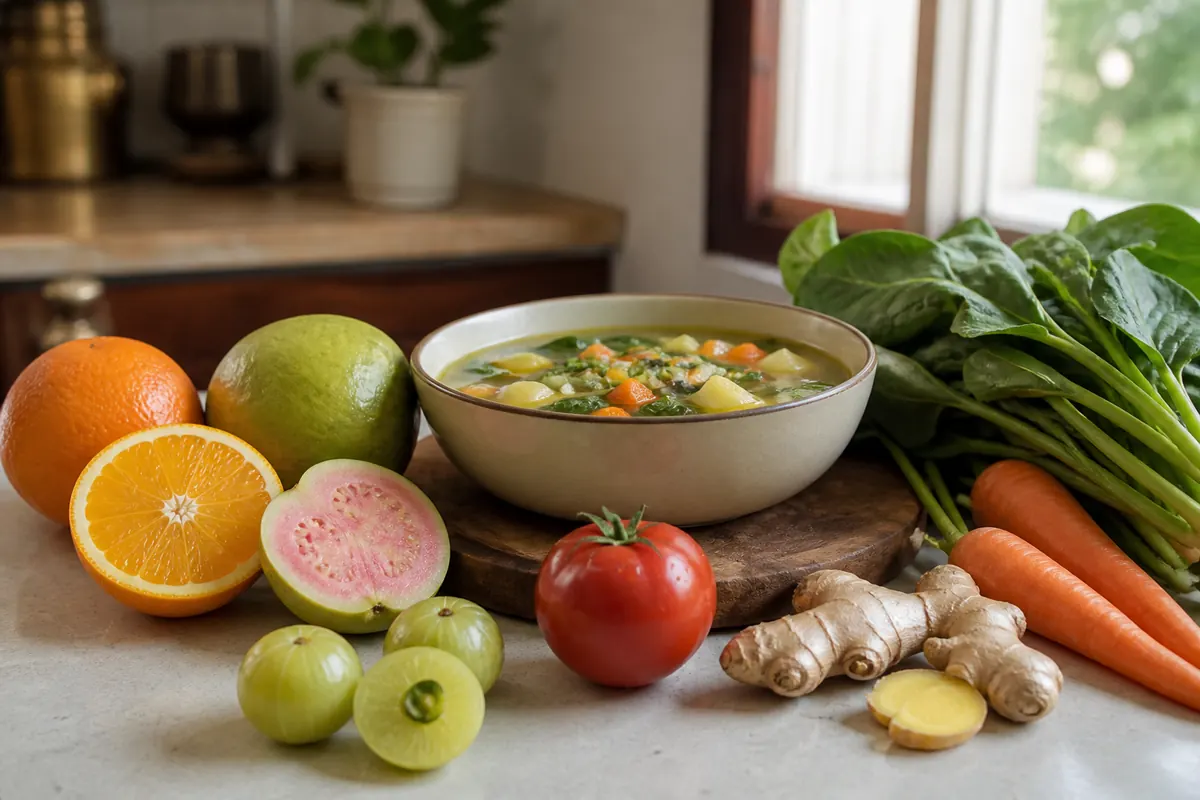
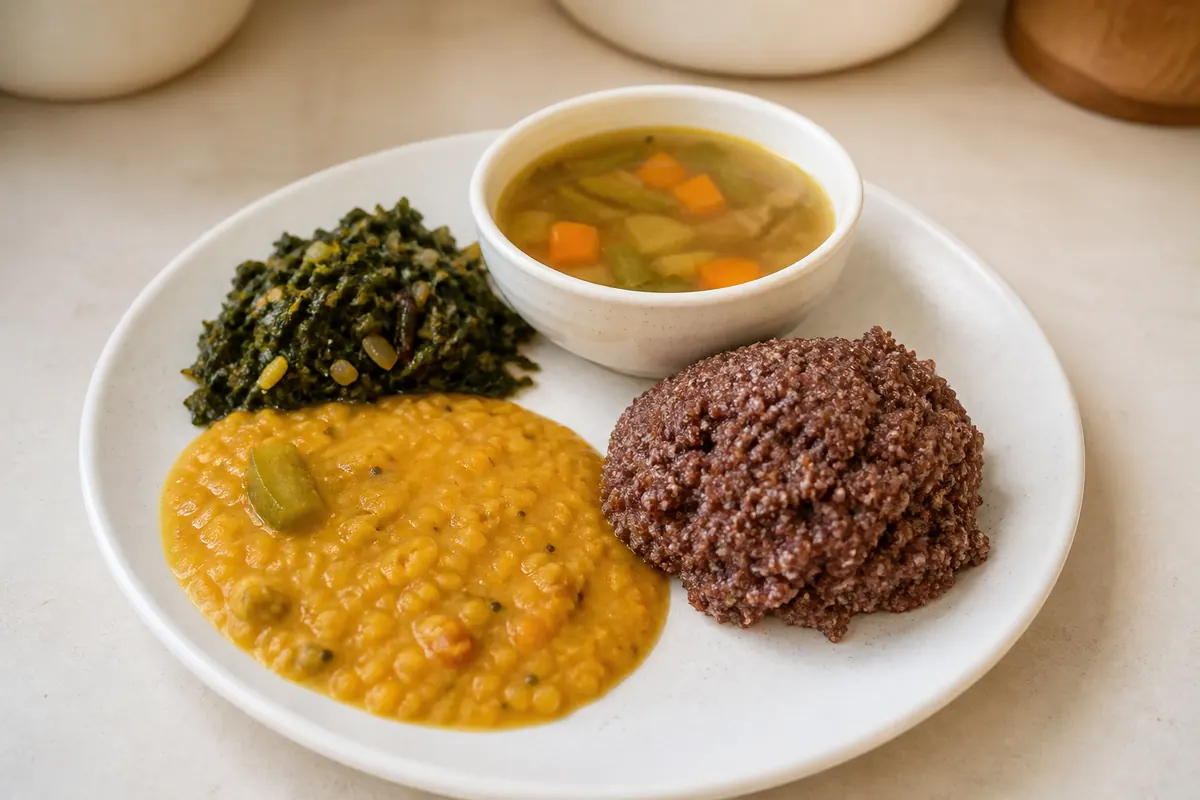
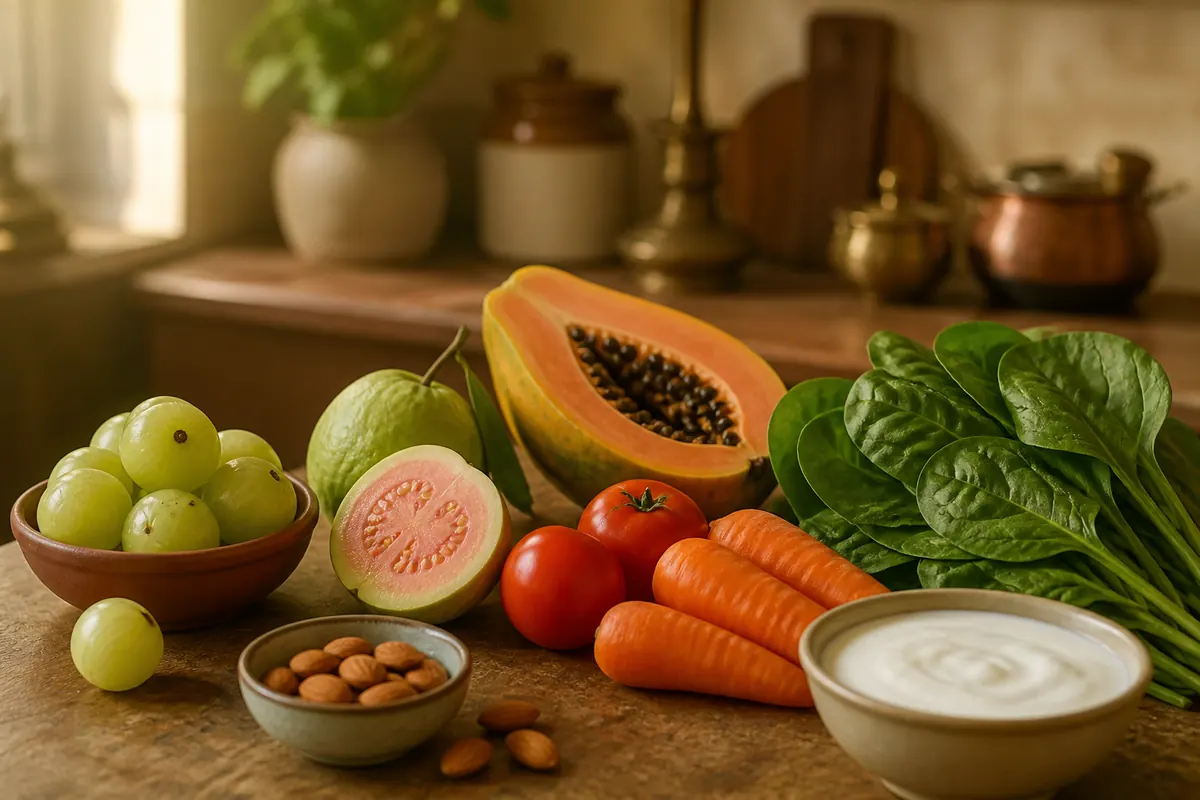
We wrote these pages for everyday Indian kitchens. They name ordinary foods — ragi, dal, greens, curd, citrus — and they tell you what a kitchen cannot do. They will not diagnose anaemia, asthma, fatty liver, or a rash. They will not tell you to stop a tablet.
Bones and muscles: calcium foods and load. Blood: iron and a lab. Nerves: B12 and daylight. Heart: fibre and a lipid test. Lungs: air first. Liver: no detox tea. Kidneys: water and less salt. Skin: sleep and shade. Kitchen foundations: one shopping list for all of them.
How to read these notes so they stay useful
Each card opens an original kitchen article with foods, simple combinations, habits, and a clinic warning. Start with Kitchen foundations if you want one shopping list. Open a single organ page if you already have a question (iron tiredness, dry skin, quieter fats).
These pages will not diagnose disease, name a wild plant for each illness, or tell you to stop a tablet. They will tell you when a lab or hospital is the next step. Pair them with Diet plans and Exercises for a full week pattern.