Kitchen notes only. Continue medicines. This is not a diagnosis.

Kitchen · Habit · Care

Home remedies we wrote ourselves

Bones & muscles, blood, nerves, heart & cholesterol, lungs, liver, kidneys, skin, and a shared kitchen map. Short notes — not miracle charts.

How these kitchen notes are organised

This hub is a contents page with writing, not a grid of pictures. Nine original notes sit under it: a shared plate map, bones and muscles, blood, nerves and vitamins, heart and cholesterol, lungs, liver, kidneys, and skin. Open one note, read the kitchen foods, the home combinations, and the clinic warning. Then come back here if you want another organ.

We wrote these pages for everyday Indian kitchens. They name ordinary foods — ragi, dal, greens, curd, citrus — and they tell you what a kitchen cannot do. They will not diagnose anaemia, asthma, fatty liver, or a rash. They will not tell you to stop a tablet.

Bones and muscles: calcium foods and load. Blood: iron and a lab. Nerves: B12 and daylight. Heart: fibre and a lipid test. Lungs: air first. Liver: no detox tea. Kidneys: water and less salt. Skin: sleep and shade. Kitchen foundations: one shopping list for all of them.

A day that supports every page

  1. Stand in outdoor morning light for a few minutes if the sky is clear.
  2. Walk at a pace you can talk through. Ten honest minutes is better than none.
  3. Eat a grain with its bran, a dal or curd, and a green.
  4. Drink water through the day. Keep the bedroom dark at night.

What these pages will not do

They will not name a wild plant for each disease. They will not tell you to stop a tablet. They will tell you when a lab or a hospital is the next step.

Diet plans Millets Teas

How to read these notes so they stay useful

Each card opens an original kitchen article with foods, simple combinations, habits, and a clinic warning. Start with Kitchen foundations if you want one shopping list. Open a single organ page if you already have a question (iron tiredness, dry skin, quieter fats).

These pages will not diagnose disease, name a wild plant for each illness, or tell you to stop a tablet. They will tell you when a lab or hospital is the next step. Pair them with Diet plans and Exercises for a full week pattern.

Suggested order for new readers

  1. Read Kitchen foundations once — shared plate ideas for several organs.
  2. Pick one organ note that matches your current question; finish that page including the clinic section.
  3. Build a 3-week menu in Diet plans so the foods appear on real days, not only on a list.
  4. Add the chair-supported workout if a clinician has not limited movement.
  5. Return here next week for a second organ note — do not try to “fix” everything in one evening.

Hard limits we keep on every remedy page

Examples of good vs poor use

Good use

You feel tired often → open Blood, book a CBC if possible, keep lemon with dal, and do not start random iron tablets.

Poor use

You collect every organ page in one night and drink five “detox” teas. That is noise, not a plan.

Good use

You want everyday cooking ideas → Kitchen foundations + Diet plans, then one organ detail page.

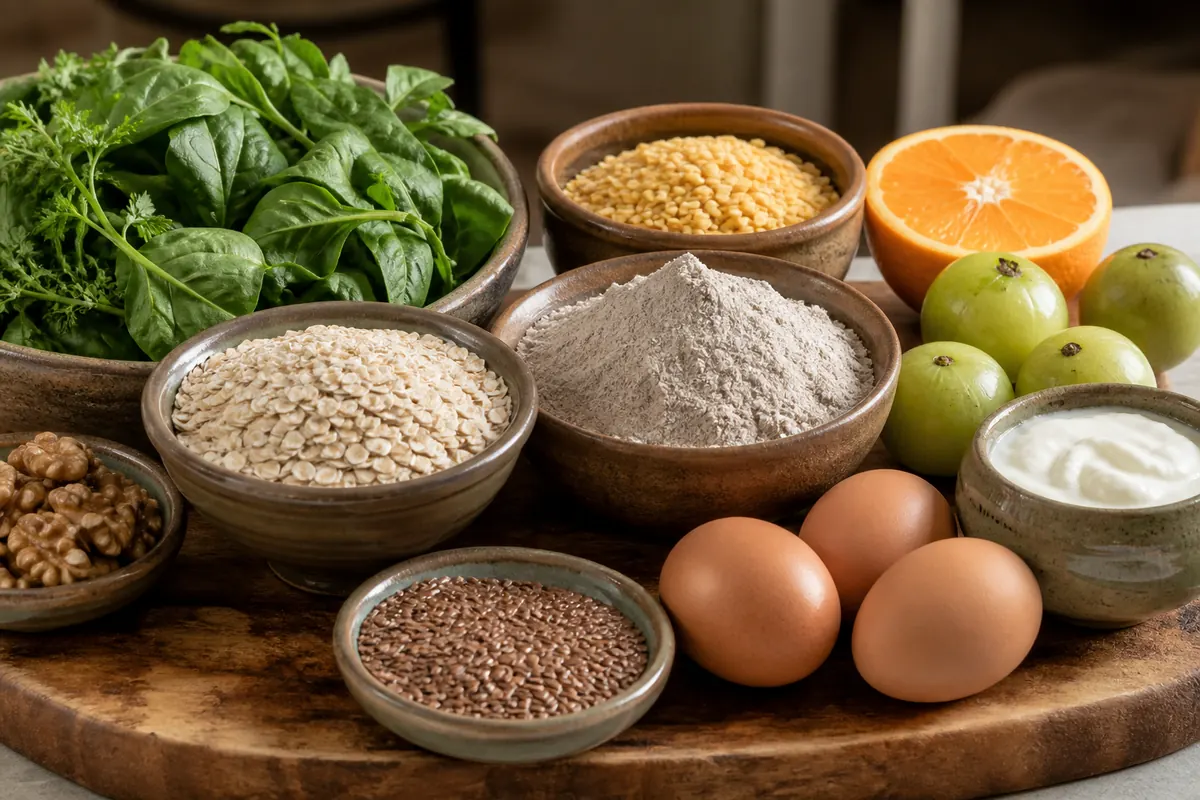
Shared kitchen foundation foods

Kitchen foundations

One plate map for bones, heart, liver, skin, and more.

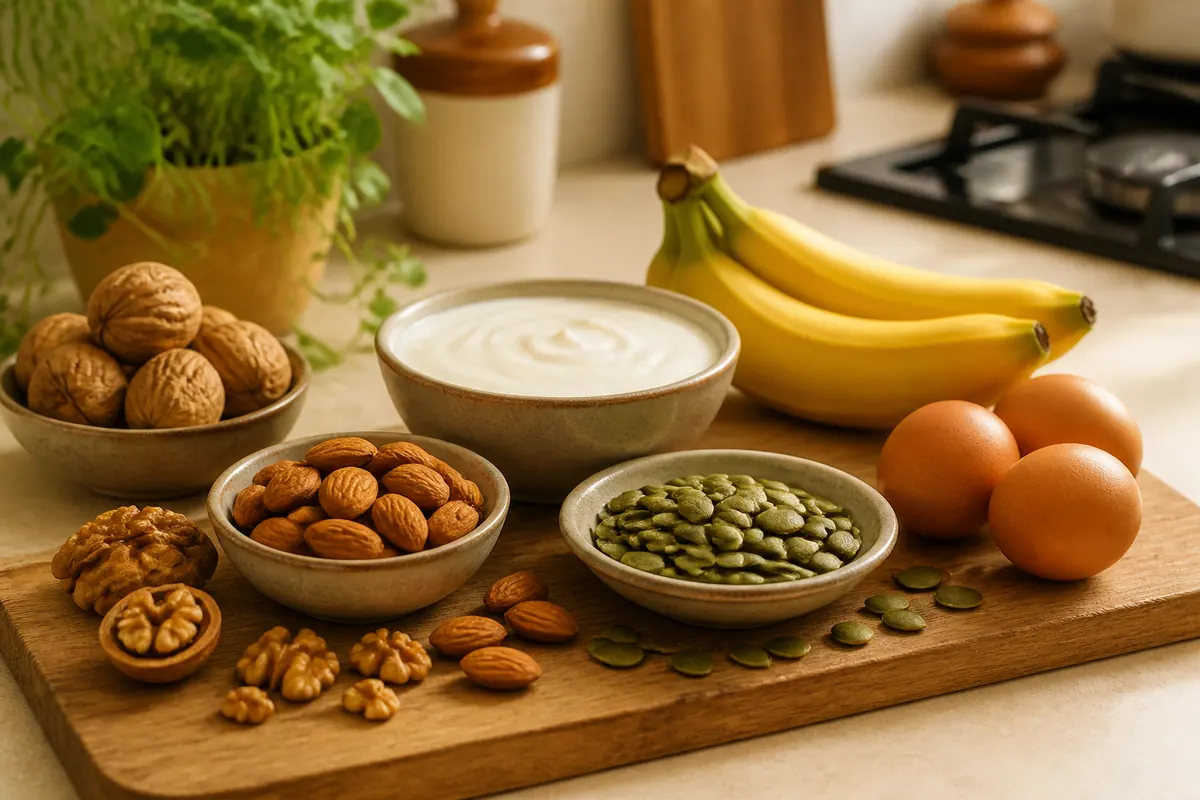
Bone and muscle strength

Bones & muscles

Calcium, protein, strength work, and one shared daily plate.

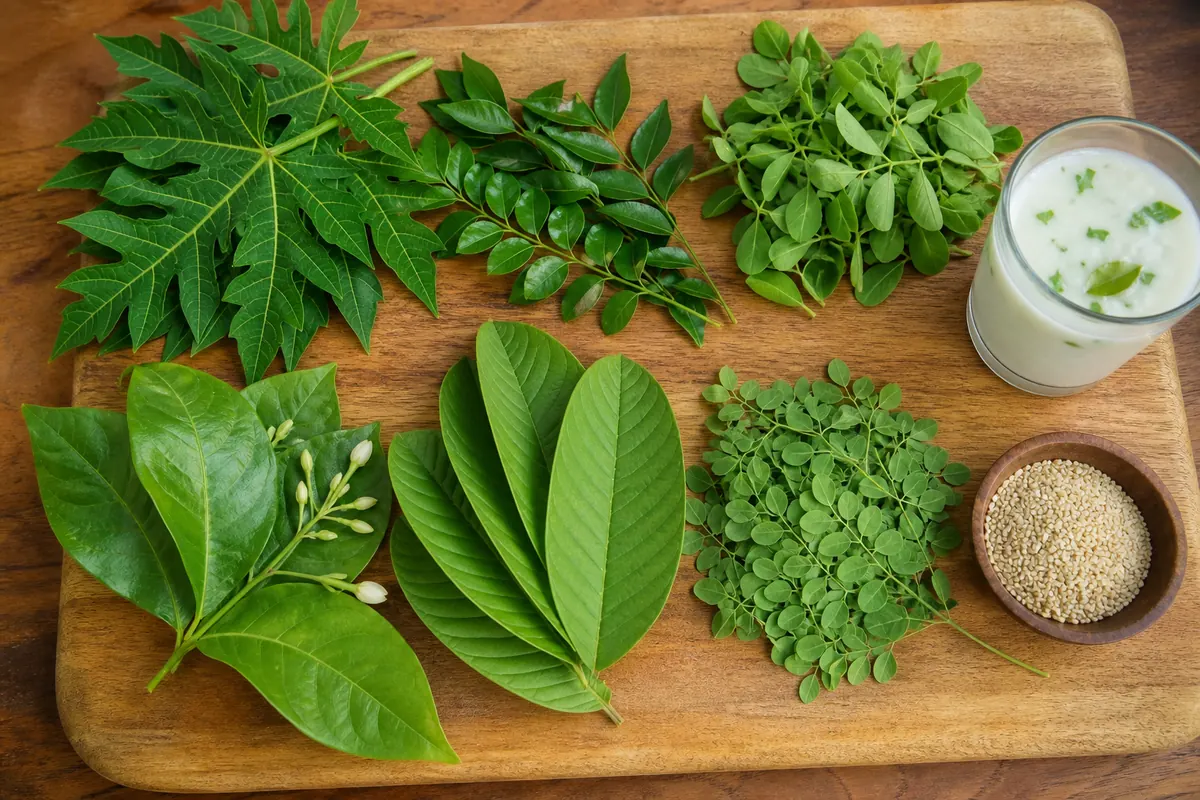
Fresh kitchen greens

Blood

Iron, vitamin C, lab checks.

Nerve-support kitchen foods

Nerves · B12 · vitamin D

Nerve kitchen, B12, daylight, labs.

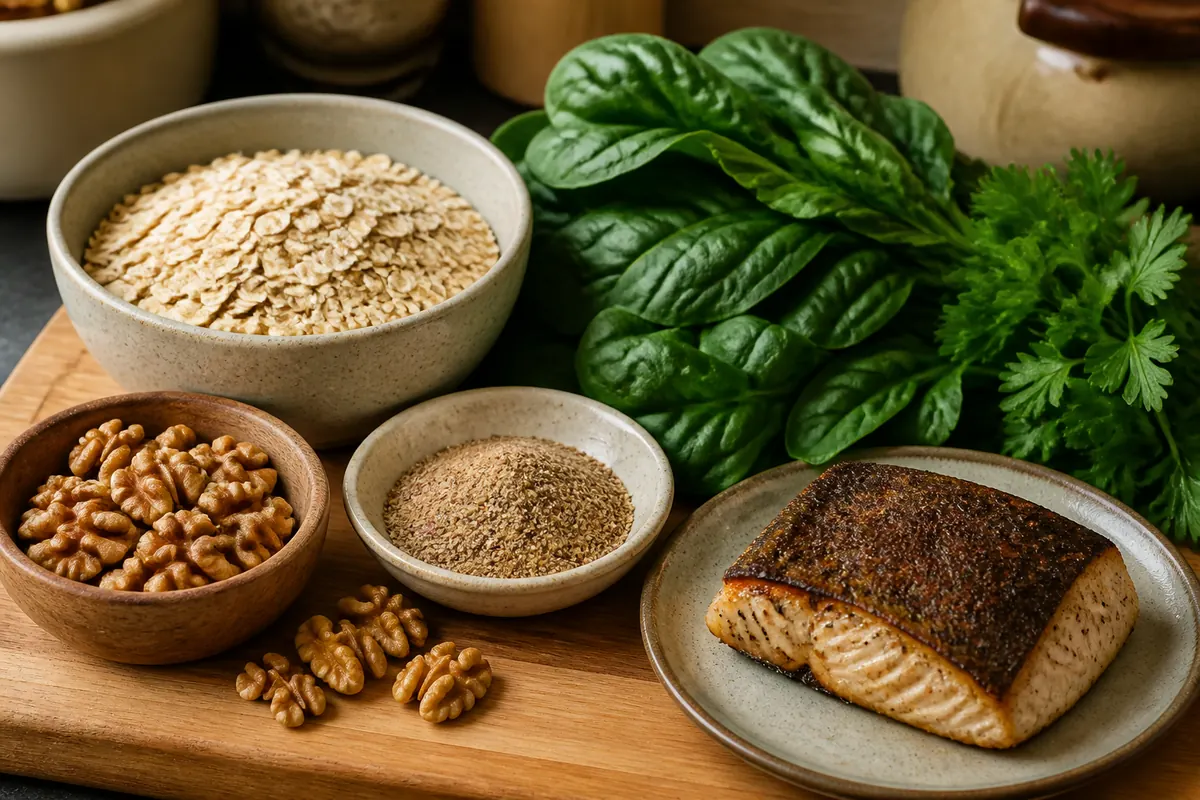
Heart and cholesterol kitchen foods

Heart & cholesterol

Oats, fibre, quieter fats, walk, and a lipid lab.

Colourful foods for lung support

Lungs

Colourful food, no smoke, exercise.

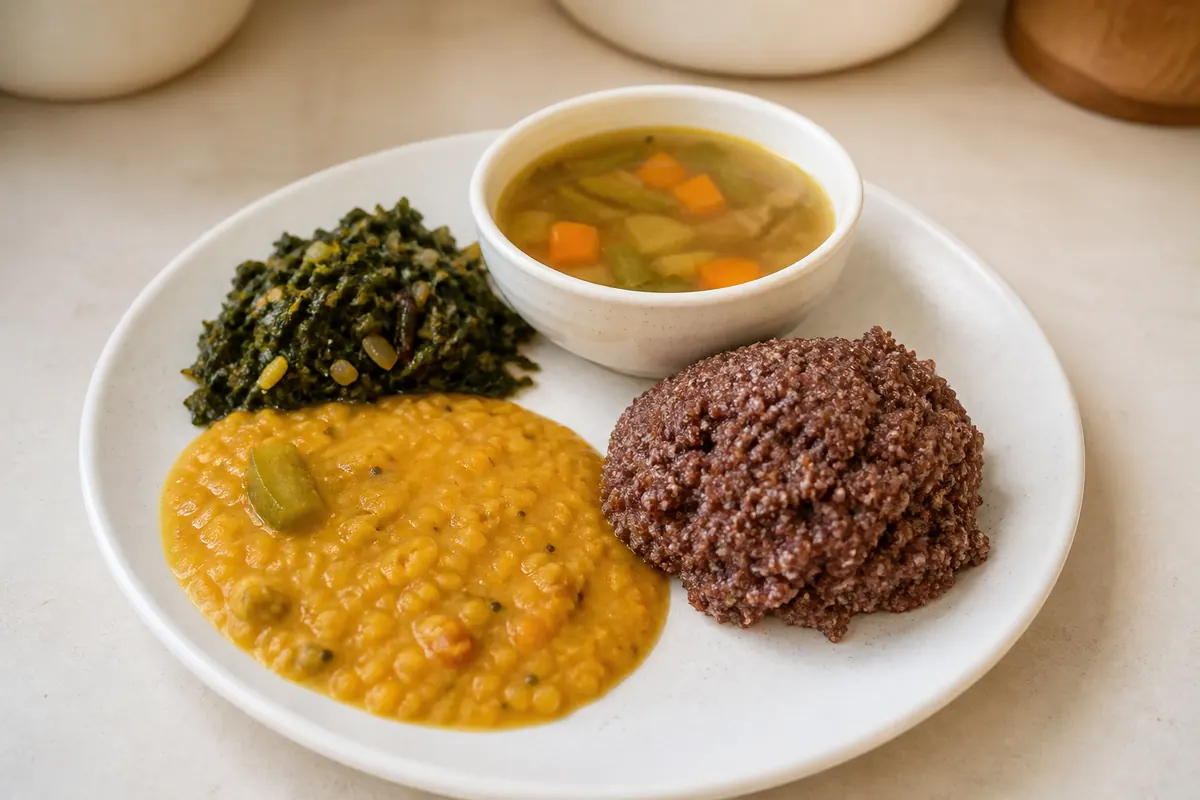
Simple millet and dal plate

Liver

No detox tea — greens, grains, less sugar and alcohol.

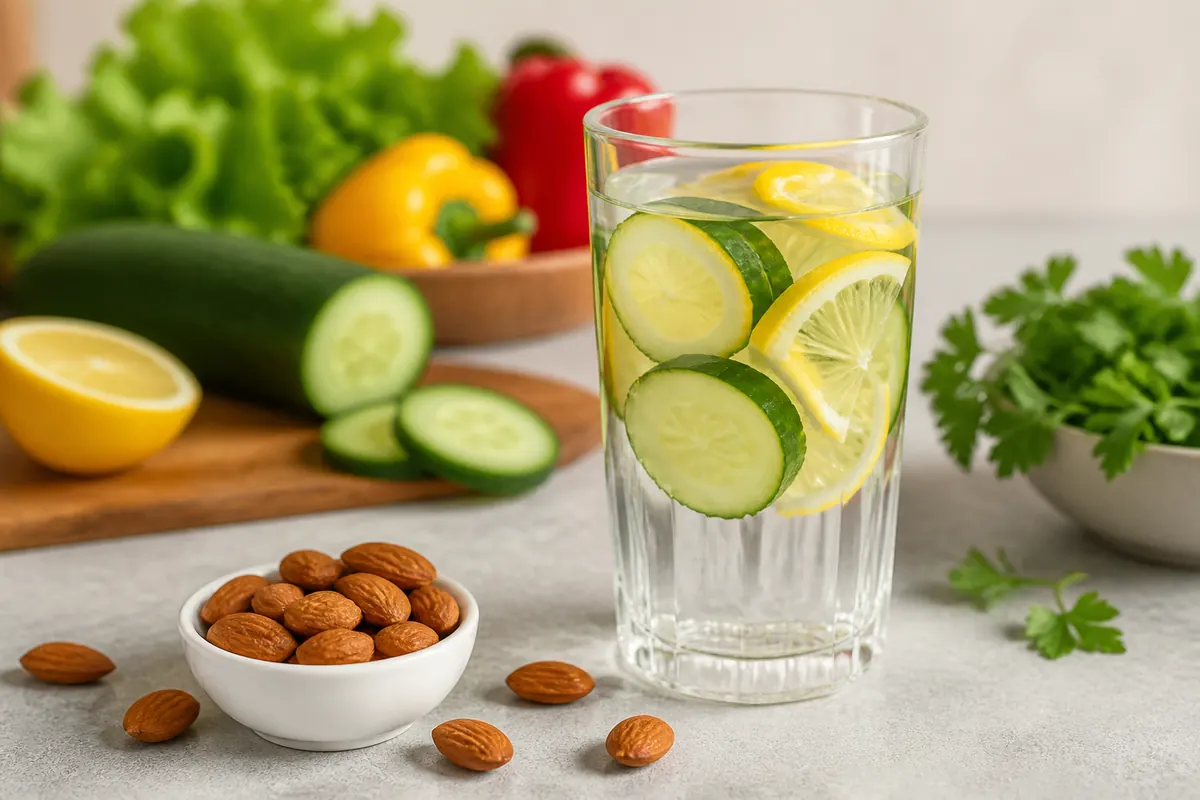
Water and fresh vegetables

Kidneys

Water, lemon, less salt — no detox drinks.

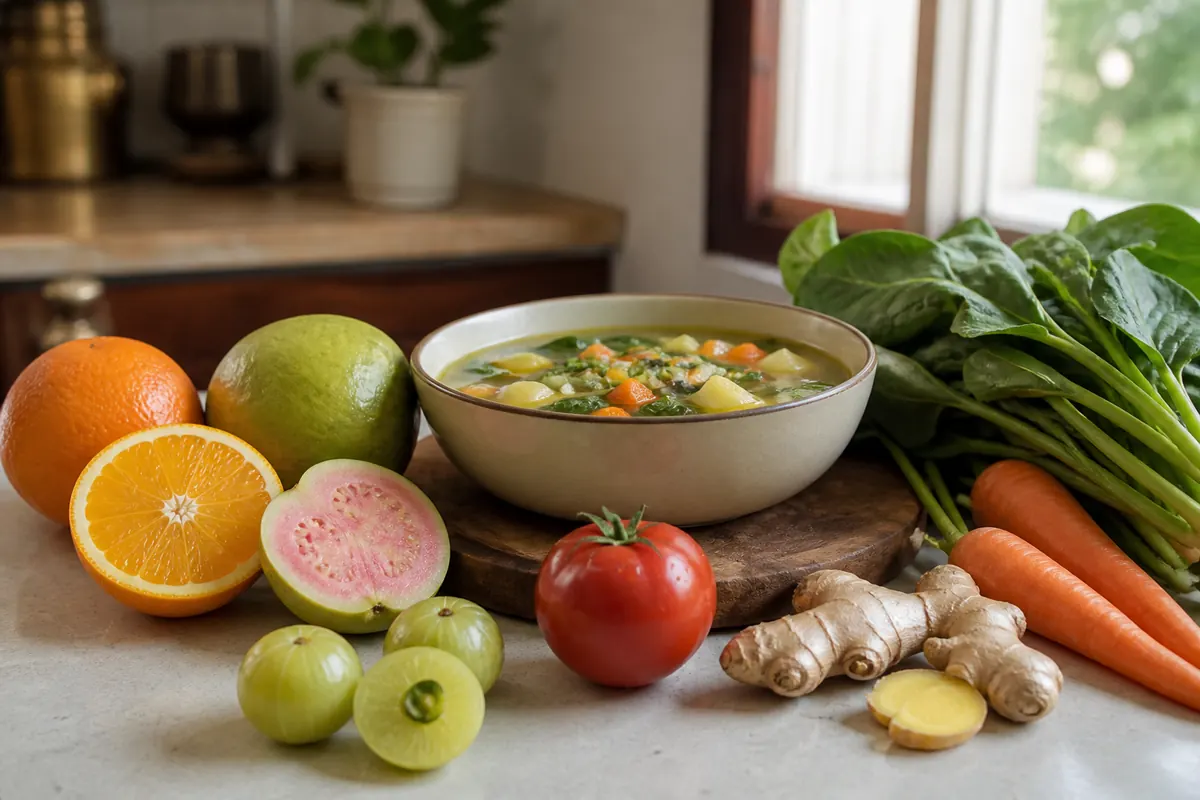
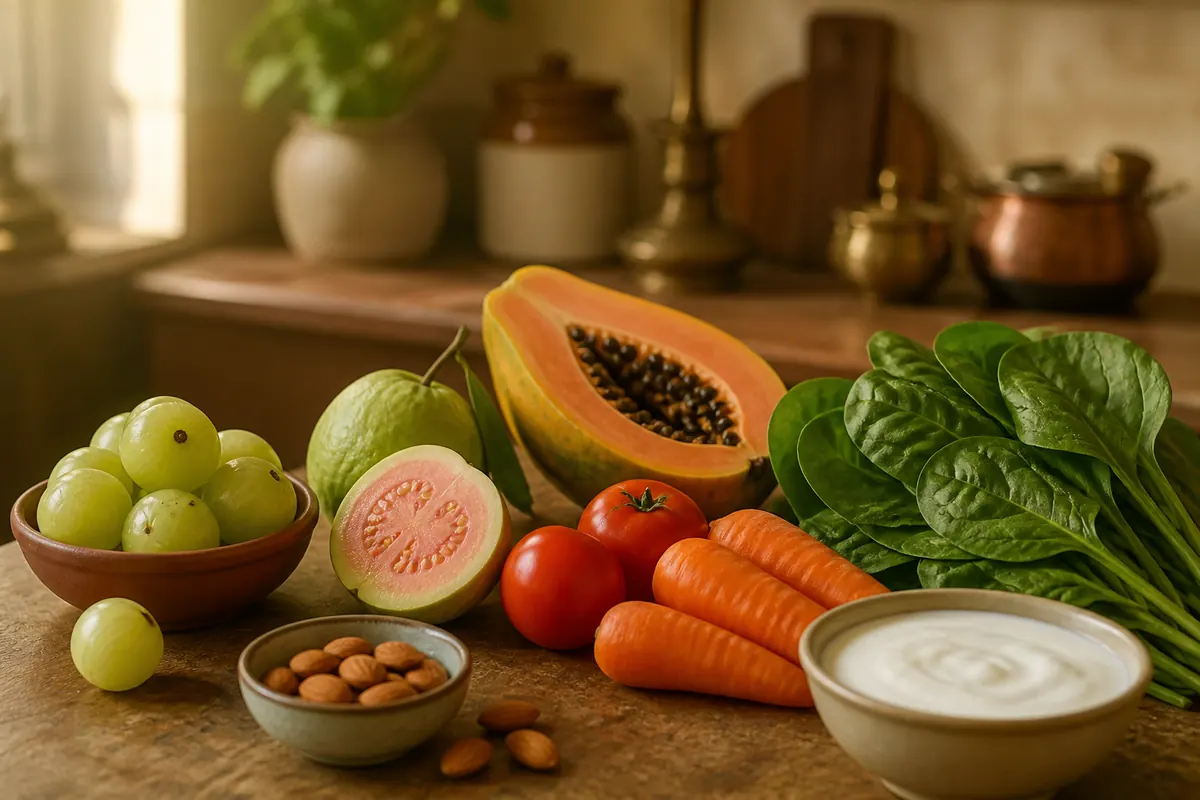
Vitamin C foods for skin

Skin

Vitamin C foods, sleep, shade.