Educational kitchen plans only. Not a prescription for diabetes, kidney disease, pregnancy, or weight-loss surgery. Keep medicines. Ask a doctor or dietitian before big calorie cuts.
Enter age, weight, height, activity, and veg or non-veg. You get three weeks of measured kitchen portions — millet or rice, dal or other protein, greens, and curd. Educational only.
Your information
How this works: tell us age, weight, height, activity, goal, and veg or non-veg. We build three different full weeks (21 days) with measured amounts — rice / millet / quinoa, dal / paneer / chicken / fish, greens, and curd. Educational guide only.
Why three weeks: week 1 is a gentle start, week 2 changes the grain and protein so you do not eat the same dal every day, week 3 rotates again. Amounts scale with the weight you type. They are kitchen guides, not a hospital diet chart.
Gentle loss or gain here means a small calorie shift, not a crash. Diabetes, kidney disease, pregnancy, heart failure, or a BMI under 18.5 need a personal clinician plan. Keep prescribed medicines. Pair the calendar with the bone-safe workout and millet cooking notes.
Step 2 · Your recommended plan
As per your age
Daily targets (rough guide)
Daily building blocks (measured)
Use these amounts across breakfast, lunch, and dinner. Numbers scale with your weight.
Diabetes, kidney disease, heart failure, pregnancy, underweight children, or BMI under 18.5 need a personal plan. This calendar is a kitchen companion, not a clinic chart.
Last updated: 2026-11-10
How to use the 3-week calendar well
This tool builds three different weeks from the age, weight, height, activity, goal, and veg/non-veg choices you enter. Week 1 starts gently; weeks 2 and 3 rotate grains and proteins so the kitchen stays interesting. Amounts are kitchen guides that scale with weight — not a hospital chart.
Print or screenshot your week, cook what you can find in the market, and keep medicines your clinician already set. Pair the calendar with the bone-safe workout and millet cooking notes. Diabetes, kidney disease, pregnancy, heart failure, or BMI under 18.5 need a personal clinician plan.
Practical cooking tips for this plan
Cook dal in a batch for two days if mornings are busy; freeze extra portions safely.
If a millet is unavailable, swap another unpolished millet or keep rice for that meal — do not abandon the whole week.
Measure oil with a spoon for a few days until your eye learns the habit.
Drink water with meals; keep sugary packaged drinks rare.
If hunger is high on a “gentle loss” goal, check portions of vegetables first before adding fried snacks.
Short answers about the diet plan
Is this a medical diet?
No. It is an educational kitchen calendar. Abnormal labs or long-term disease need clinical advice.
Can I repeat one week forever?
You can, but rotating weeks 1–3 usually keeps fibre and protein variety higher.
What if I am vegetarian?
Choose vegetarian only in the form. Dal, curd, paneer/tofu patterns replace fish and chicken lines.
Kitchen plate — before & after the habit
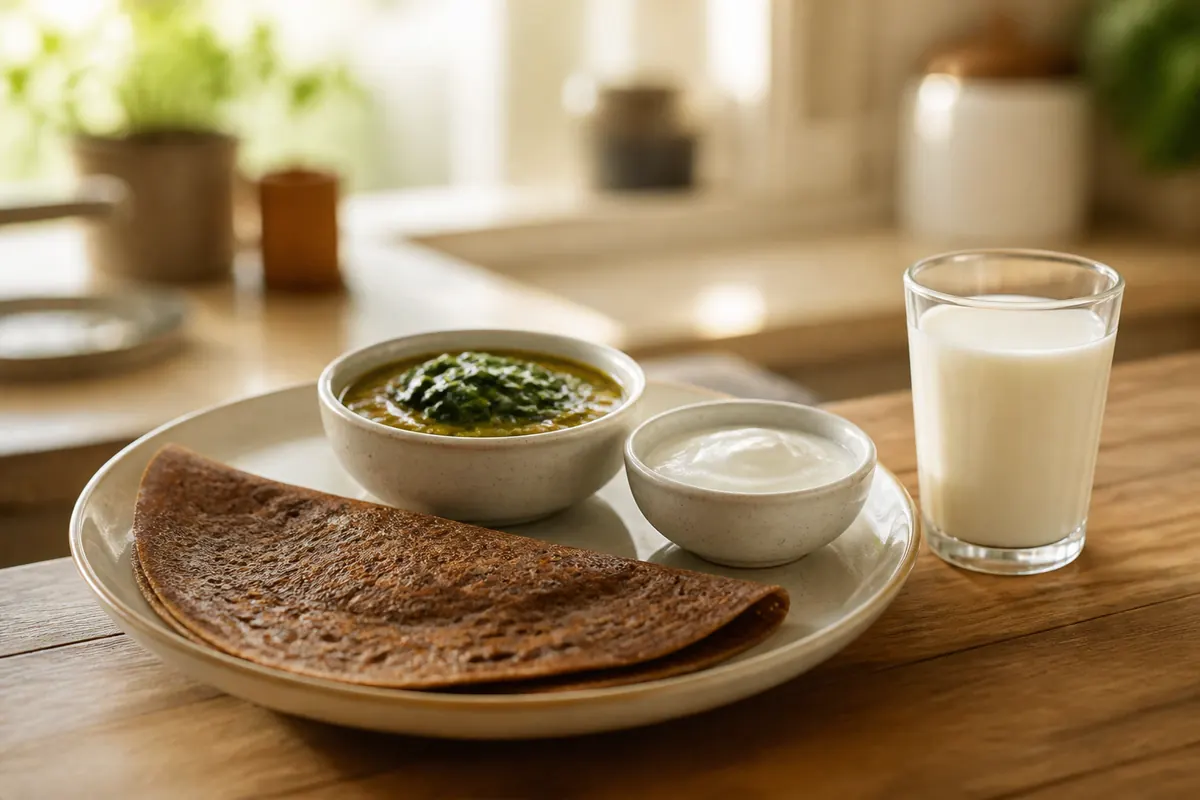
These are our own site photos of food plates — not body photos and not a medical result. A common rushed plate versus a steadier home plate you can aim for most days.
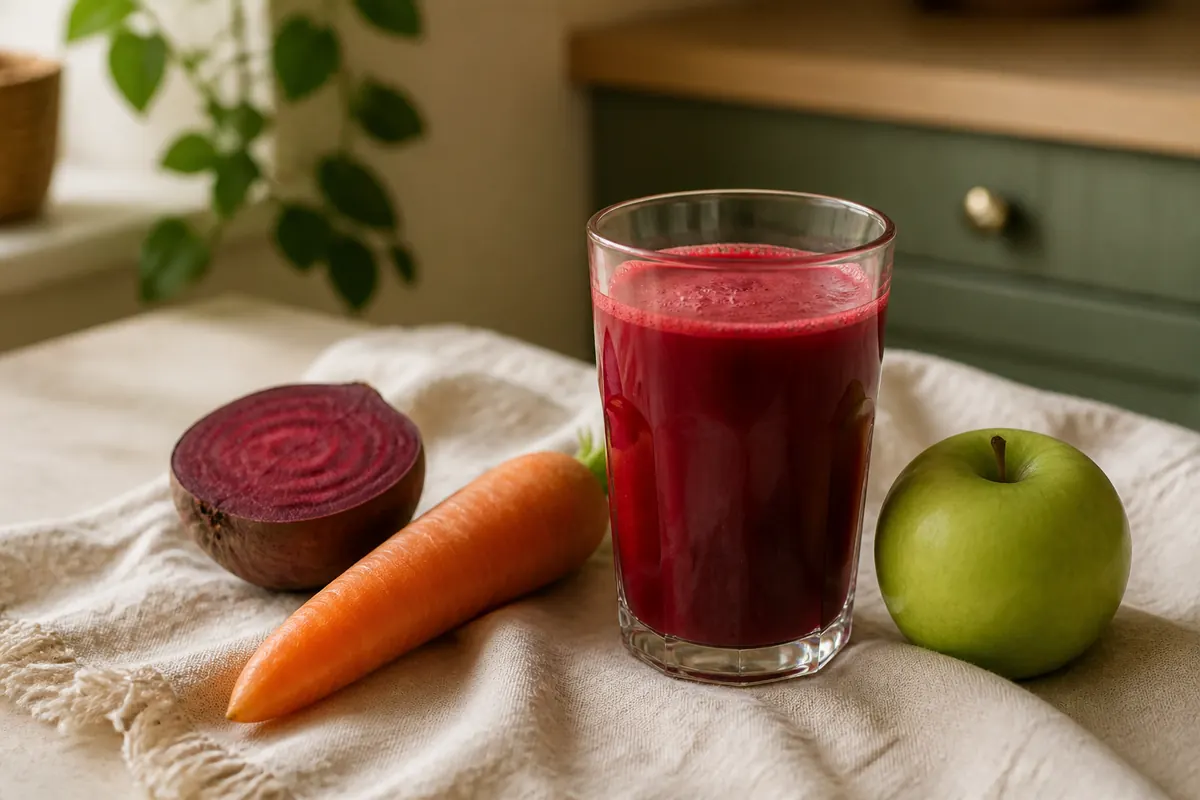
Often on the tableSweet drinks, little fibre, and a plate that finishes in a hurry.A steadier kitchen plateMillet or whole grain · dal or other protein · greens · measured oil · water nearby.
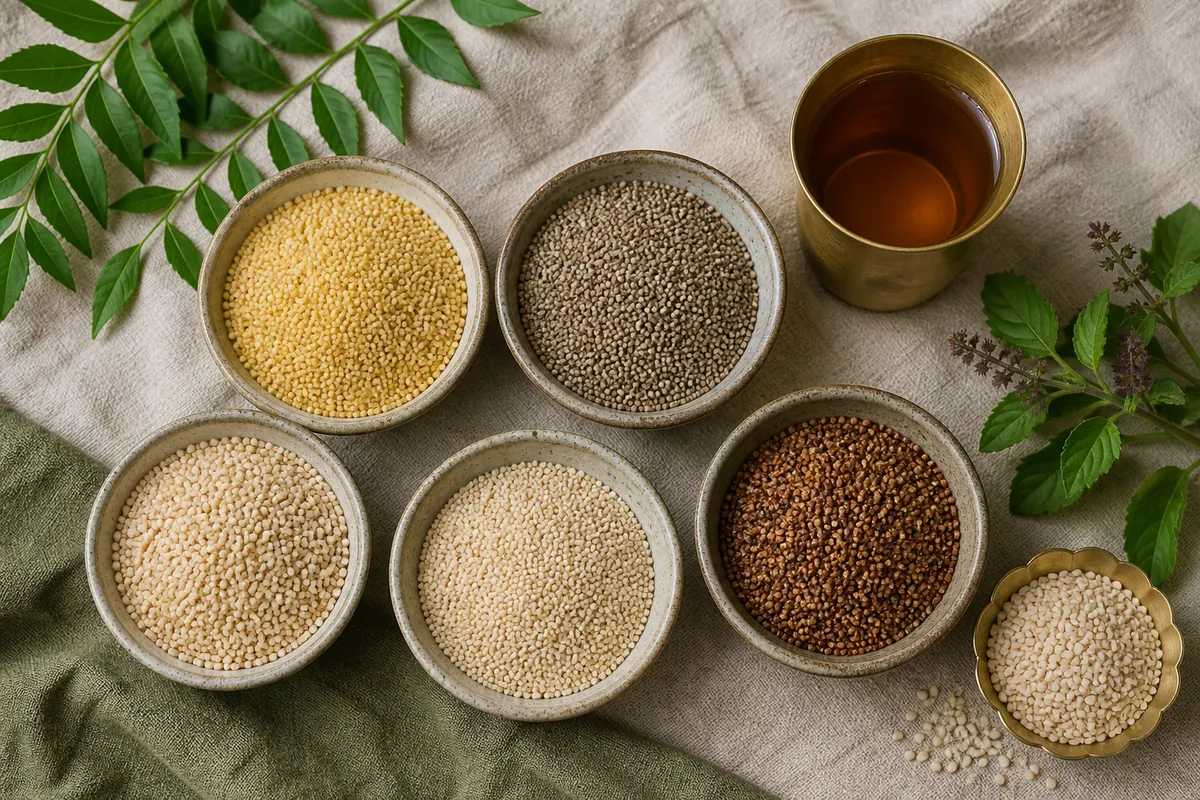
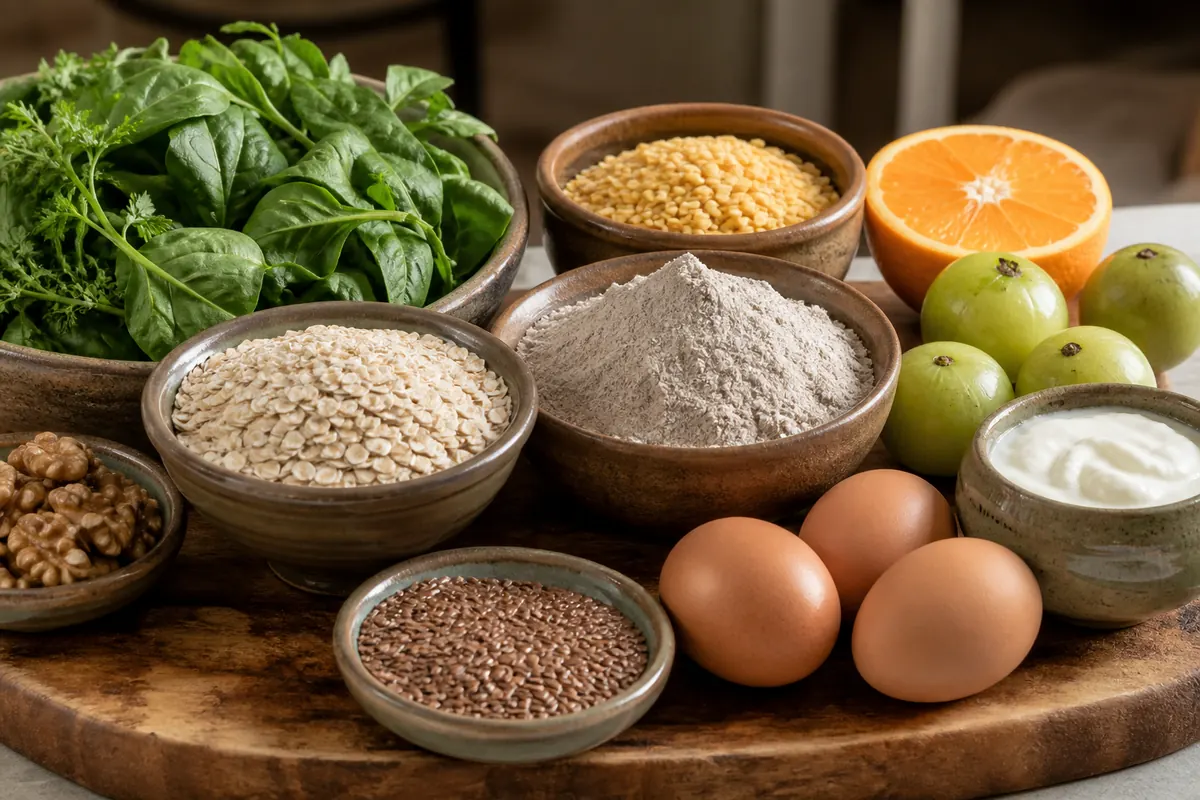
Grain swapKeep white rice for some meals if you like — rotate millets and ragi through the week.Foundation foodsOats, greens, dal, nuts, curd, citrus — the same quiet foods on many organ pages.