Morning
Ragi dosa + 1–2 eggs OR ragi + milk
Bones + muscles · one plan
Bone needs calcium, vitamin D, protein, and load. Muscle needs enough protein, calories, resistance work, and sleep. Below: a shared daily plate, then bone details, then muscle details.
Protein for muscle · calcium and vitamin D support for bone · resistance exercise for both. Food alone is not enough; powders are not a substitute for protein and training.
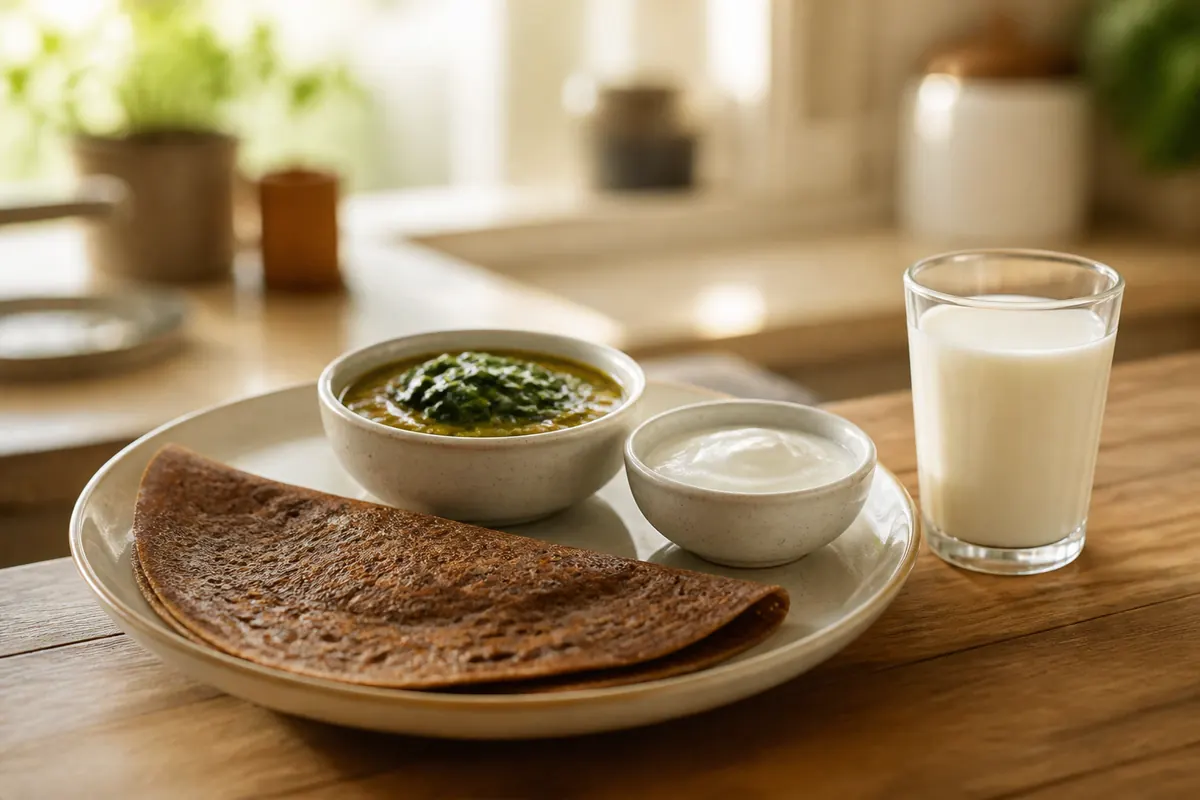
Ragi dosa + 1–2 eggs OR ragi + milk
Rice / millet + dal + leafy vegetables + curd
Roasted chana + handful of nuts / seeds
Milk + banana OR curd + fruit
Paneer / tofu / fish / chicken + vegetables + roti / millet
Milk if you tolerate it · sleep for recovery
Focus on three things together: calcium + vitamin D + protein, with weight-bearing exercise.
The main mineral that gives bone its hardness. Dairy, sesame, ragi, leafy greens, and calcium-set tofu are useful kitchen sources.
Helps the body absorb calcium. Morning or late-afternoon outdoor light on arms and face matters — see the vitamin D page. Tablets only if a clinician advises.
Dal, curd, sprouts, soy, egg or fish if eaten — plus walking and the chair workout. Nutrition alone is not enough.
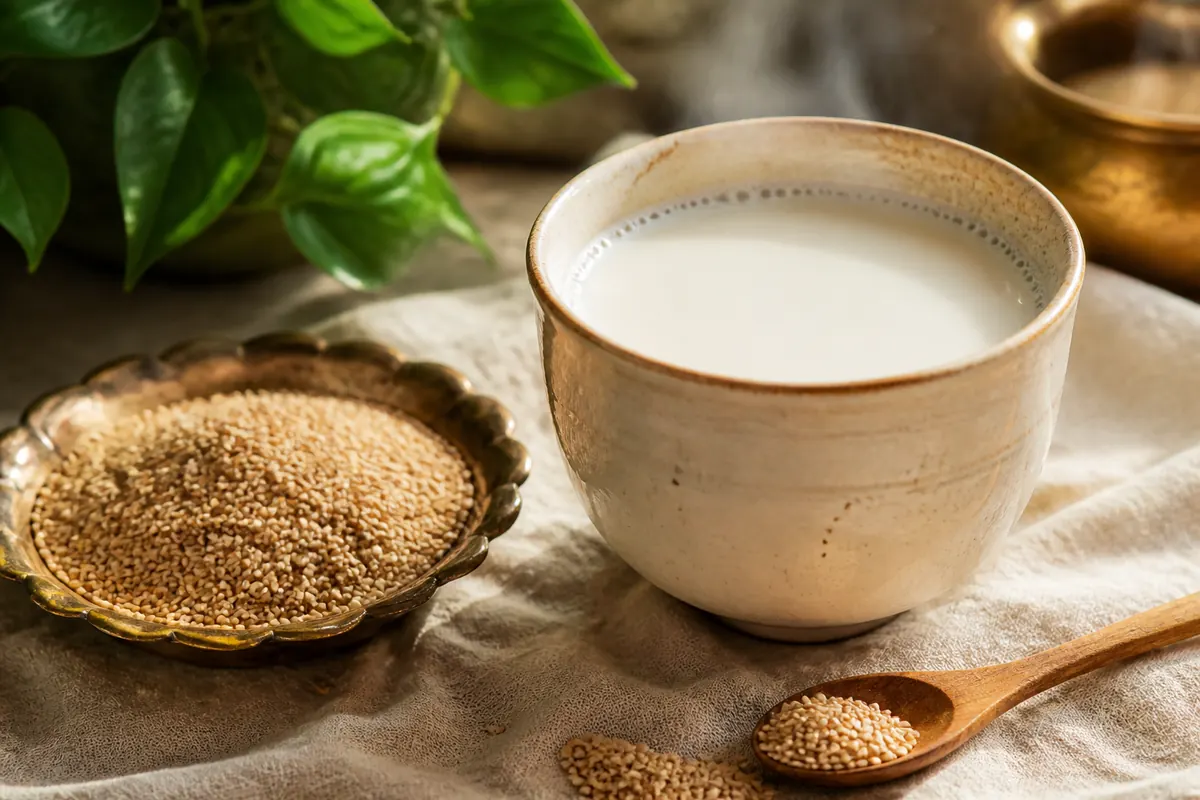
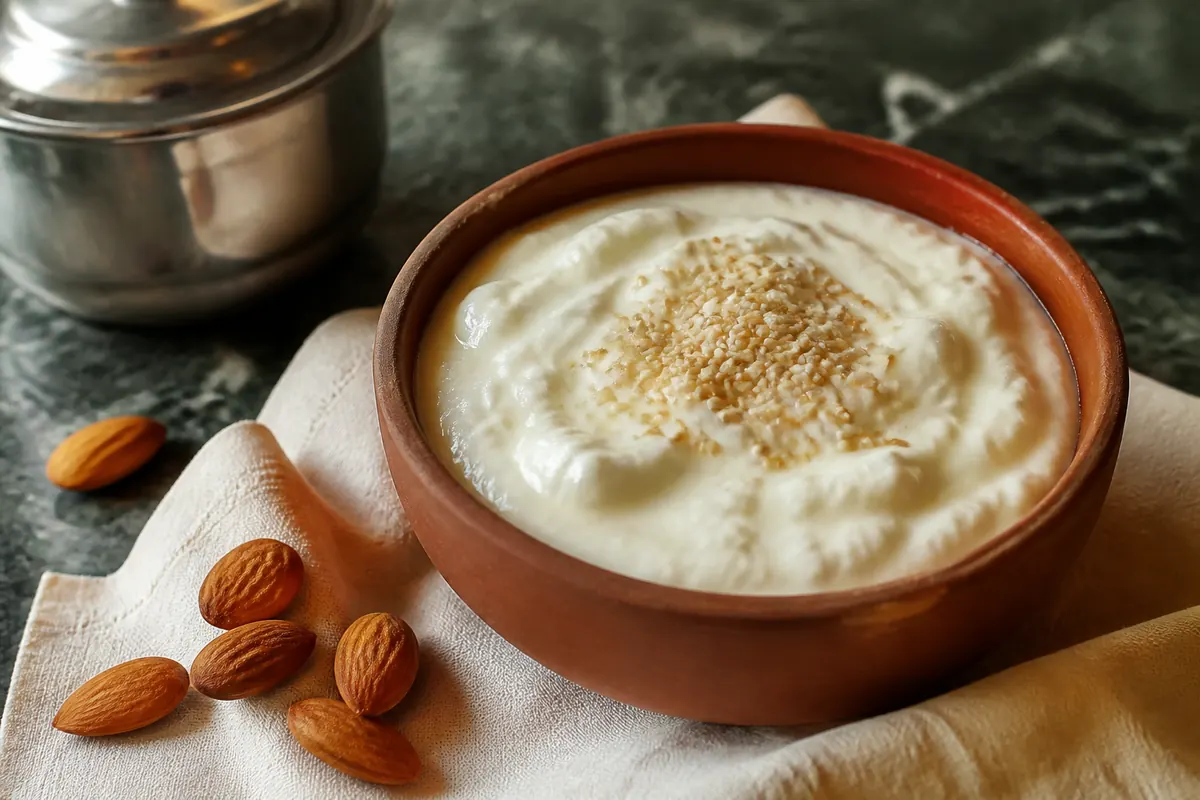
| Home option | How to use it | Main benefit |
|---|---|---|
| Sesame (til) + milk | 1 tbsp roasted sesame + warm milk | Calcium + protein |
| Ragi malt | Ragi flour cooked with milk | Calcium + carbohydrates |
| Ragi dosa | 2–3 times / week | Calcium + nutritious meal |
| Curd / yogurt + sesame | Curd + 1 tsp roasted sesame | Calcium + protein |
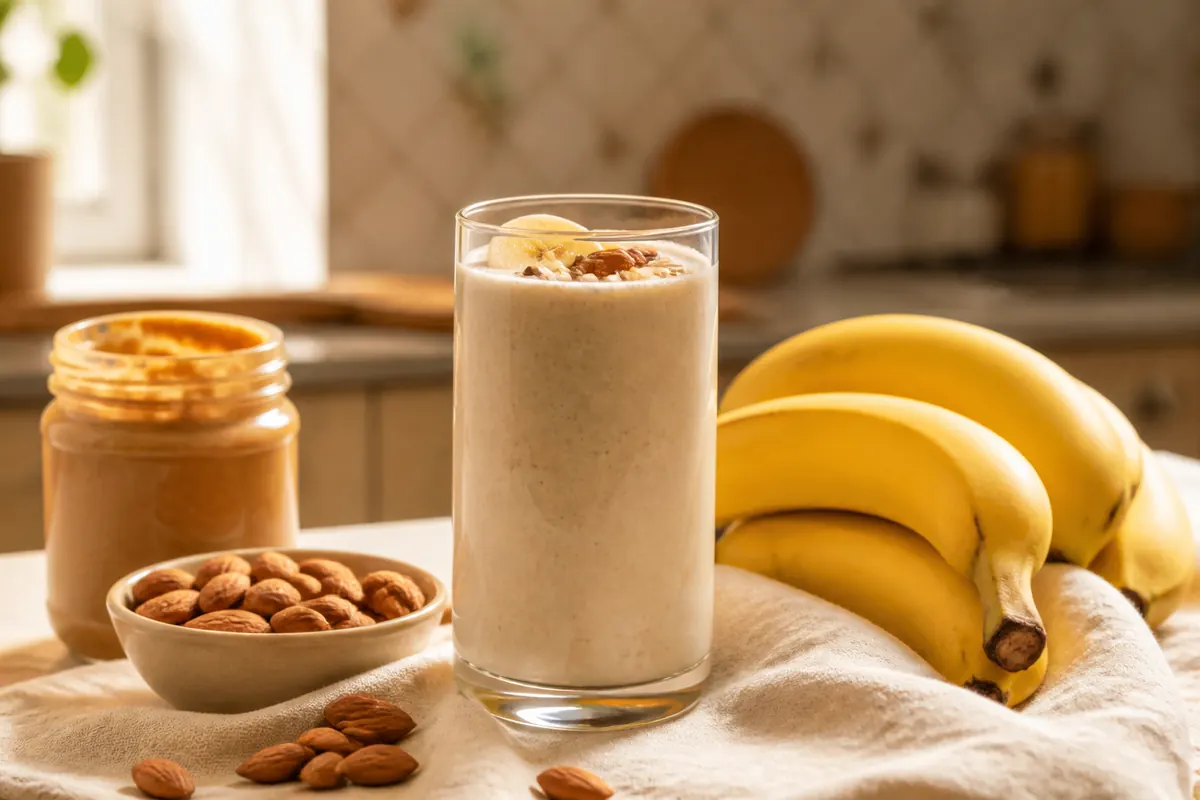
| Almond milk / shake | Soaked almonds + milk | Calcium + protein |
| Moringa leaves | Add to dal, curry or soup | Calcium + micronutrients |
| Amaranth leaves | Cook as vegetable / dal | Calcium + minerals |
| Drumstick leaves | Add to dal / sambar | Calcium + nutrients |
| Soy / tofu | Tofu curry or soy milk (prefer fortified) | Protein + calcium if fortified |
| Dal + leafy greens | Combine in one meal | Protein + minerals |
| Sprouts | Steamed moong / chana sprouts | Protein + minerals |
| Milk before bed | 1 glass, if tolerated | Calcium + protein |
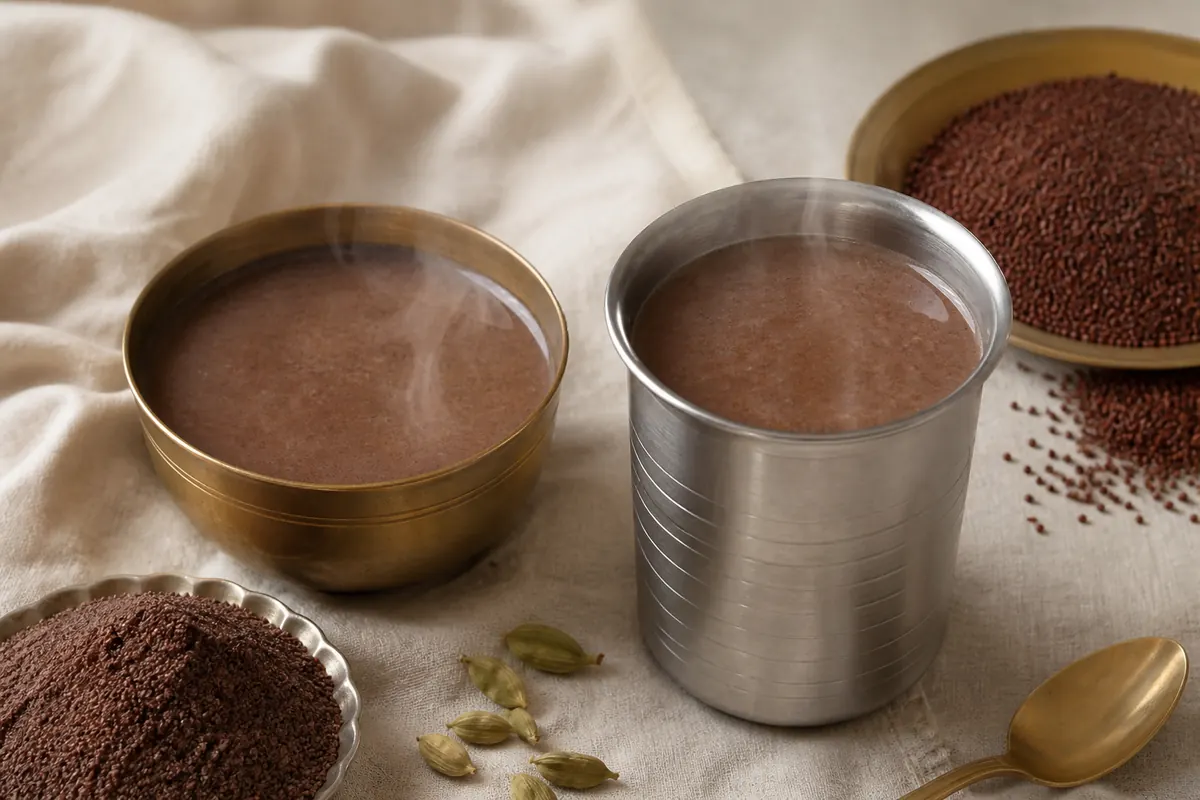
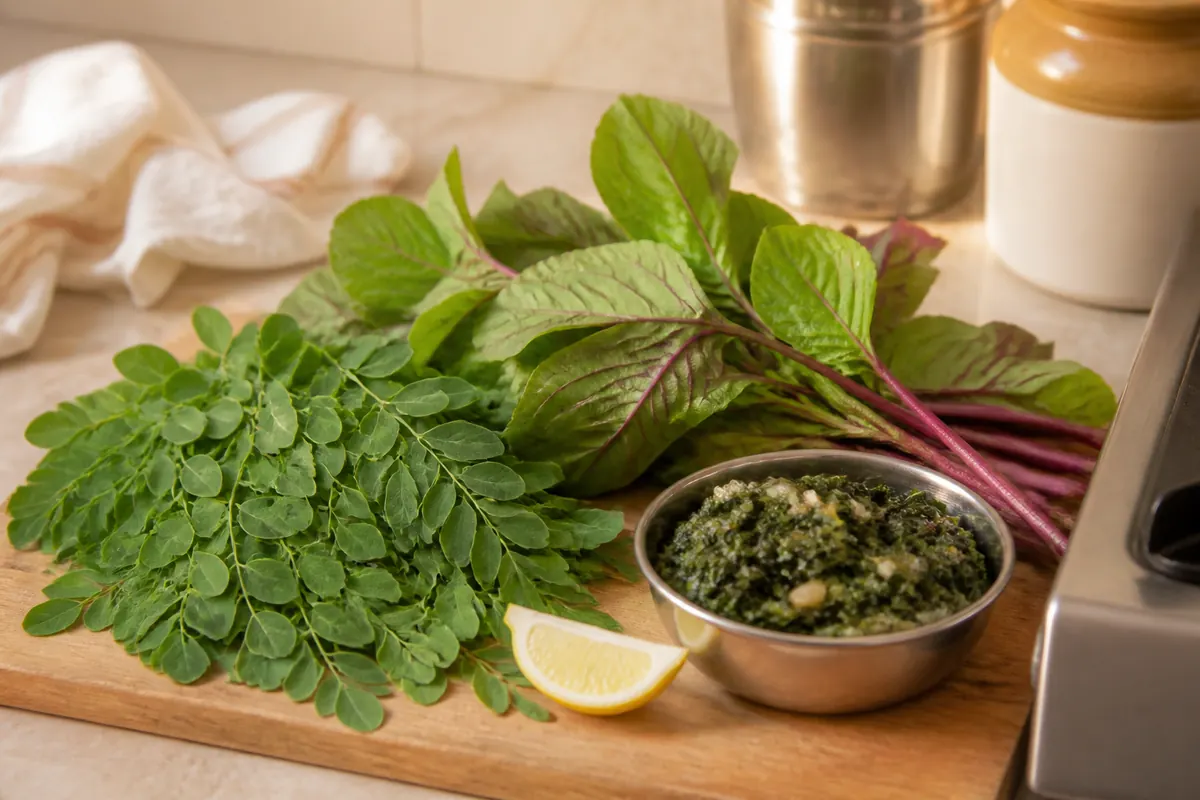
Prefer actual moringa leaves in dal or soup when available — not a nightly powder habit by default.
The key combination is enough protein + calories + resistance exercise + sleep / recovery. Protein repairs tissue; resistance training is the stimulus to get stronger.
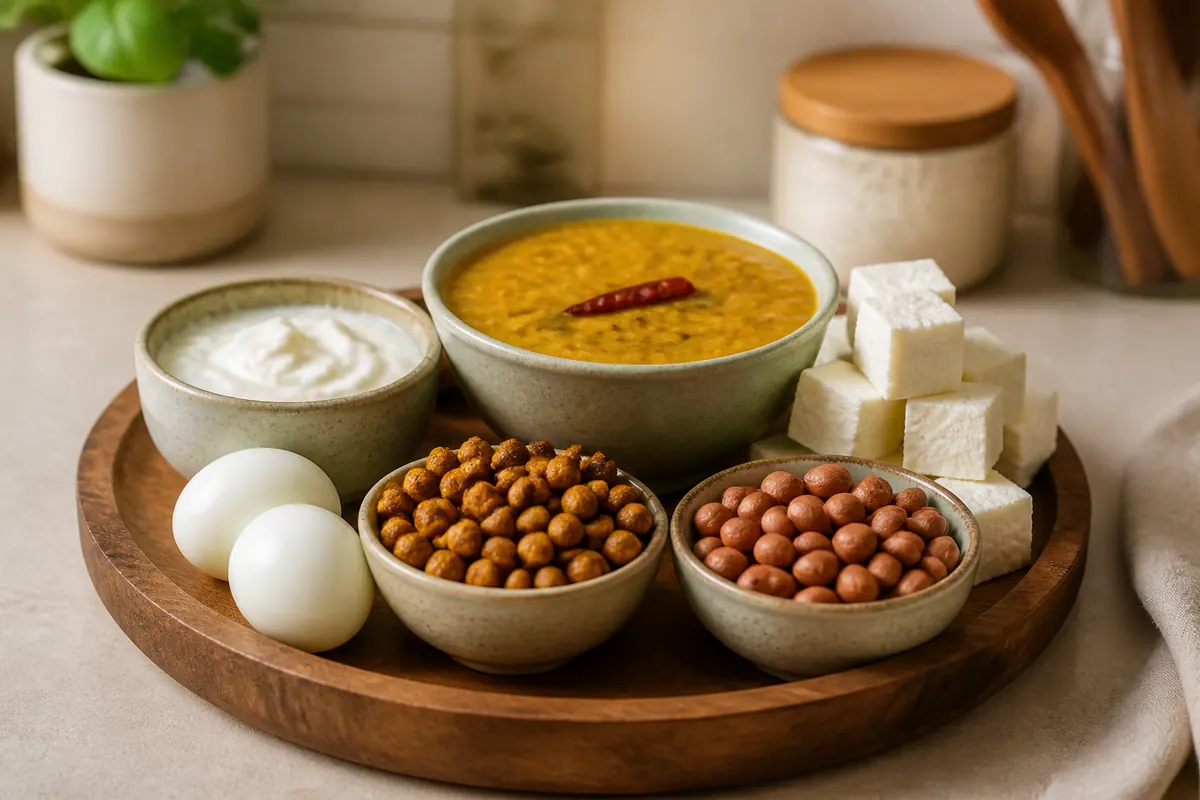
| Food | Easy way to use it | Main benefit |
|---|---|---|
| Eggs | 1–2 eggs at breakfast | High-quality protein |
| Milk | 1 glass / day | Protein + calcium |
| Curd / Greek yogurt | 1 bowl | Protein |
| Dal | 1–2 bowls / day | Plant protein |
| Moong sprouts | Steamed as snack | Protein + minerals |
| Chana | Boiled / roasted | Protein + carbohydrates |
| Paneer | 75–100 g | Protein |
| Tofu | 100–150 g | Protein |
| Soybeans | Cooked with vegetables | High-quality plant protein |
| Peanuts | Small handful | Protein + healthy fats |
| Almonds | 5–10 / day | Protein + healthy fats |
| Pumpkin seeds | 1 tbsp | Protein + minerals |
| Sesame | 1 tbsp | Protein + minerals |
| Ragi | Dosa / malt | Carbohydrates + some protein |
| Fish / chicken | If non-vegetarian | High-quality protein |
Good as a post-workout or breakfast drink.
A snack plate instead of a drink — still protein-forward.
Same drink as in the bone section above — protein plus calcium in one glass.
One meal: dal + rice / millet + curd + vegetables. Another meal: paneer / tofu + vegetables + roti. Different protein sources across the day.
Home foods cannot build significant muscle by themselves. You need resistance against the muscles. Start with 2–3 strength sessions per week; recover between sessions.

Soft knees. Tall spine. Hold a chair if needed.

Elbows low. One slow set is enough in week one.

Protects knees and back while loading the hips.

Weight-bearing for bone · recovery between strength days.
Fracture history, height loss, sudden weakness, night pain that wakes you, or very low body weight need a personal plan. Kidney stone history needs calcium advice from your own doctor.